Water Damage Restoration Keller, TX
Slab leak, attic water heater or hail coming through the ceiling? The restoration team extracts standing water, dries the structure to the IICRC S500 standard and documents every step for your insurance claim.
(888) 527-9134 Water still spreading in Keller? Call now.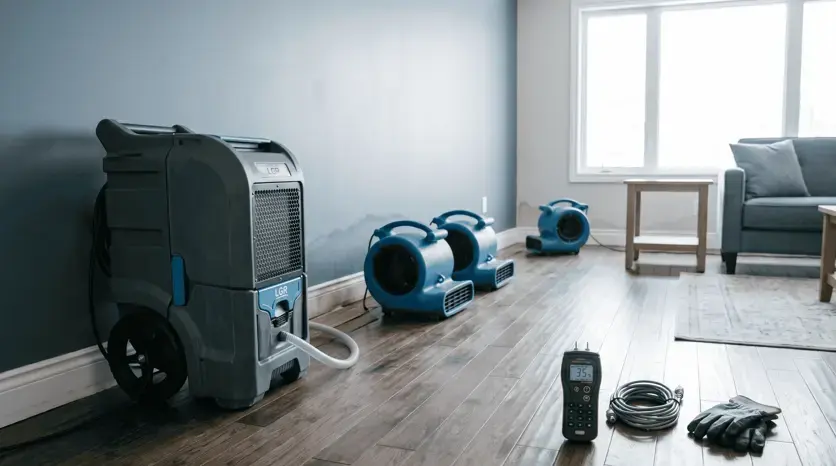
What to do while the water is still moving
- 1
Shut the water off
Close the main valve, usually at the meter box near the curb or a shutoff in the garage on Keller slab homes.
- 2
Kill power to wet rooms
Flip breakers for wet rooms only if the panel itself is dry, and stay out of standing water near outlets.
- 3
Photograph, then lift
Take photos and video before moving anything, then lift rugs, boxes and furniture legs off the wet floor.
- 4
Call inside the window
Mold can start growing inside 24 to 48 hours, so the drying needs to begin as early as possible.
Water Damage Restoration Services in Keller, TX
Water and sewage only, from emergency extraction to structural drying, for Keller homes and businesses.
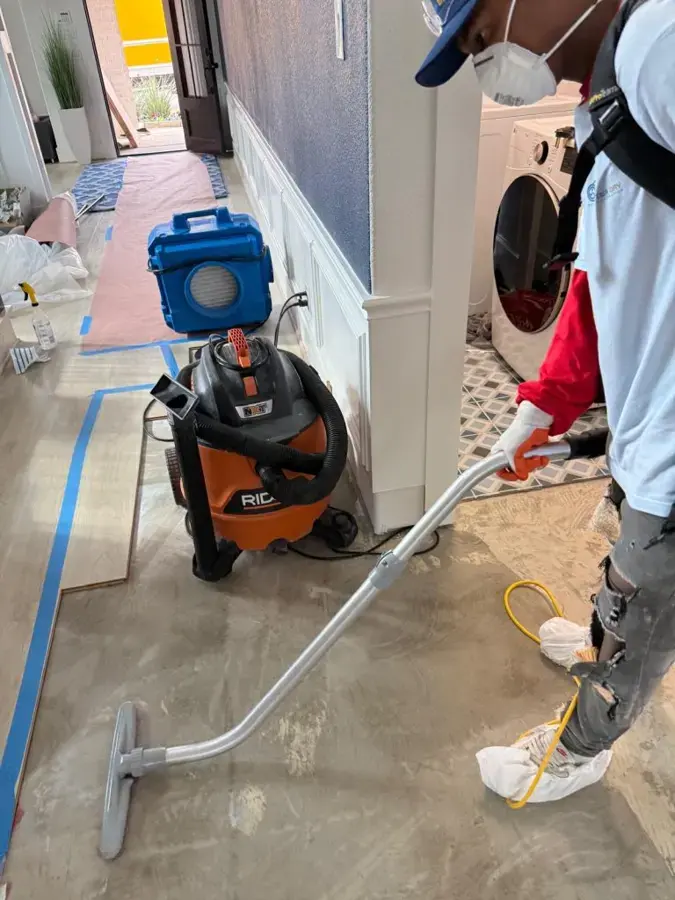 Emergency Water ExtractionTruck-mounted pump-out of standing water, the first move on any Keller loss.Details
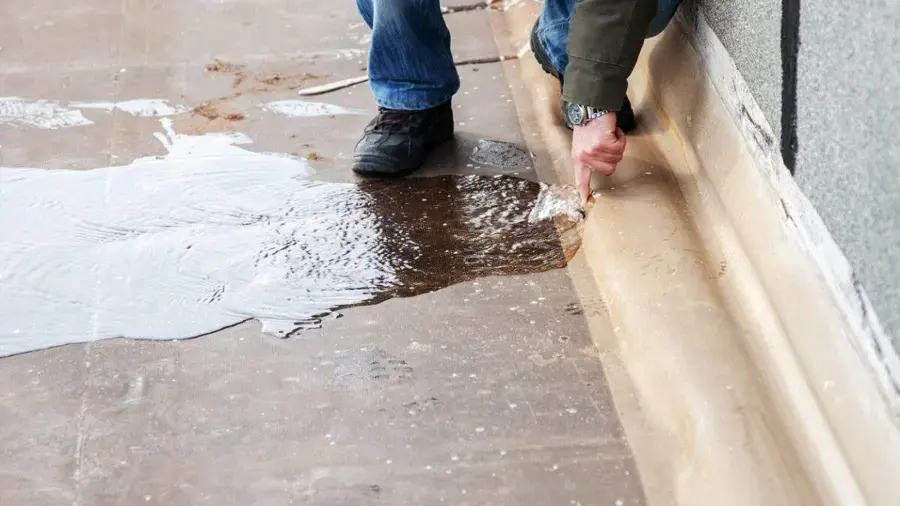 Slab Leak Water DamageWater rising through a slab on expansive clay, traced, extracted and dried.Details
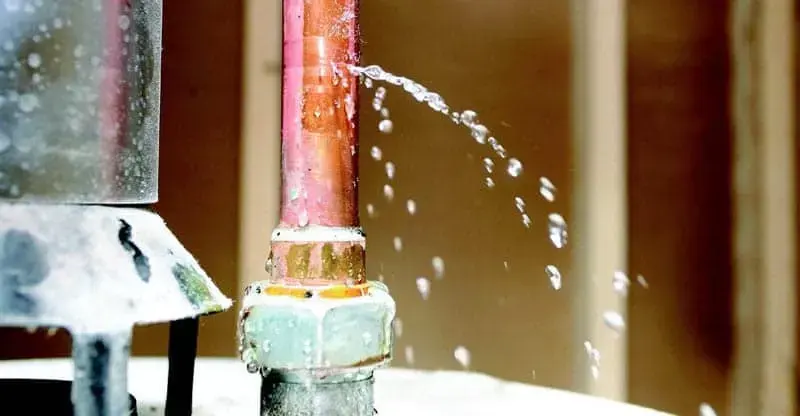 Burst Pipe CleanupA split supply line soaks walls fast. The extraction crew chases every cavity.Details
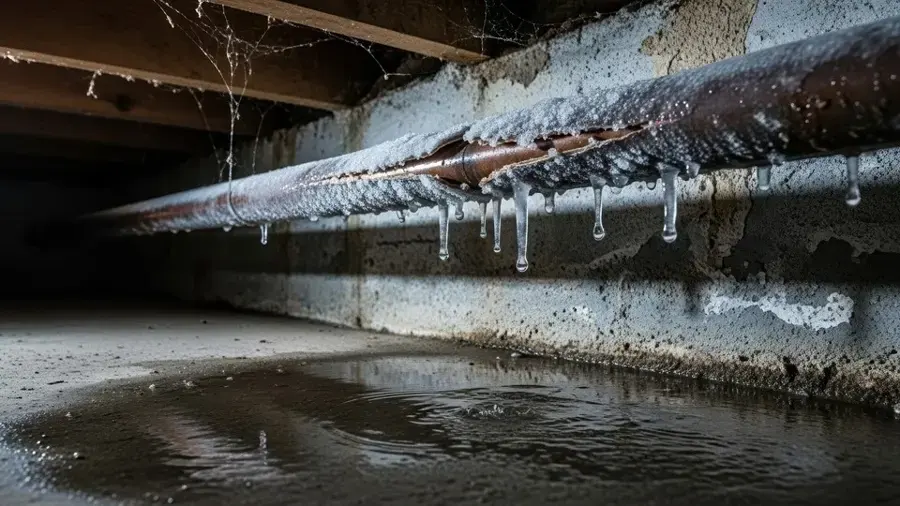 Frozen Pipe CleanupHard-freeze splits in attics and exterior walls, dried after the thaw.Details
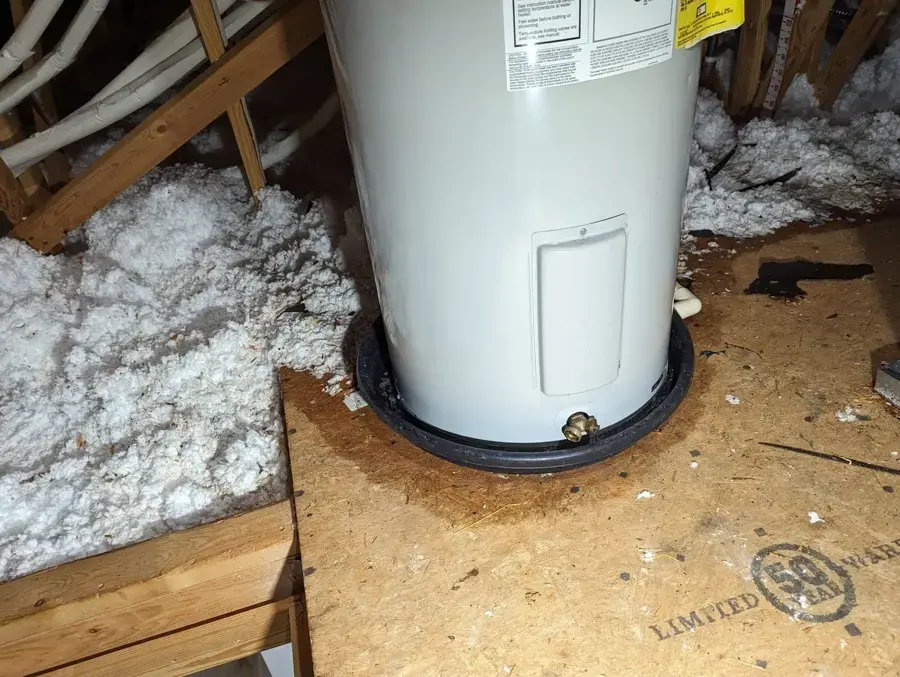 Attic Water Heater Leak CleanupA tank or pan fails overhead and the ceiling below takes the water.Details
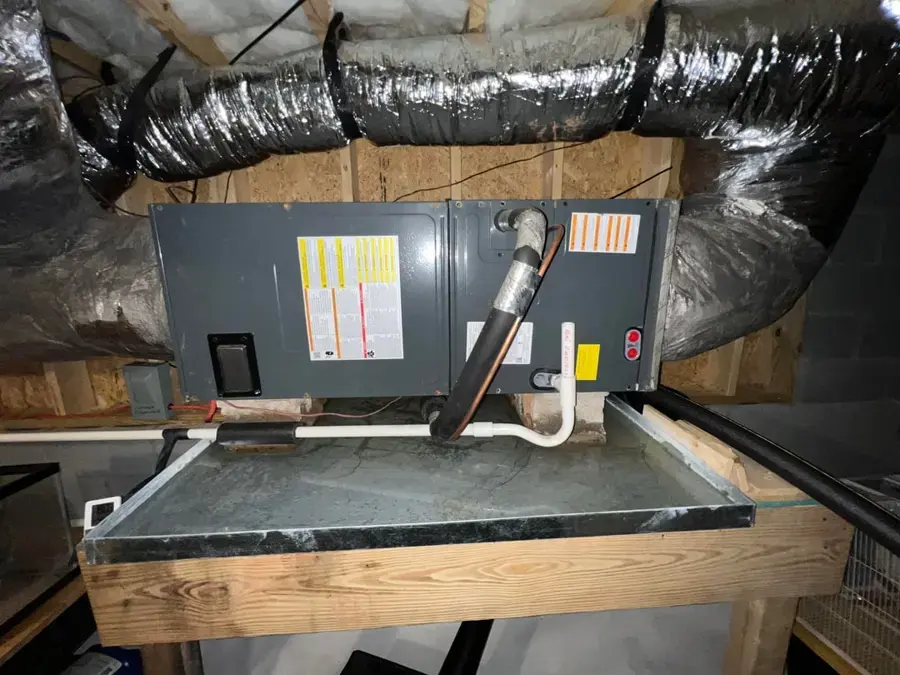 AC Condensate Leak Water DamageClogged drain lines and full secondary pans that drip through the ceiling.Details
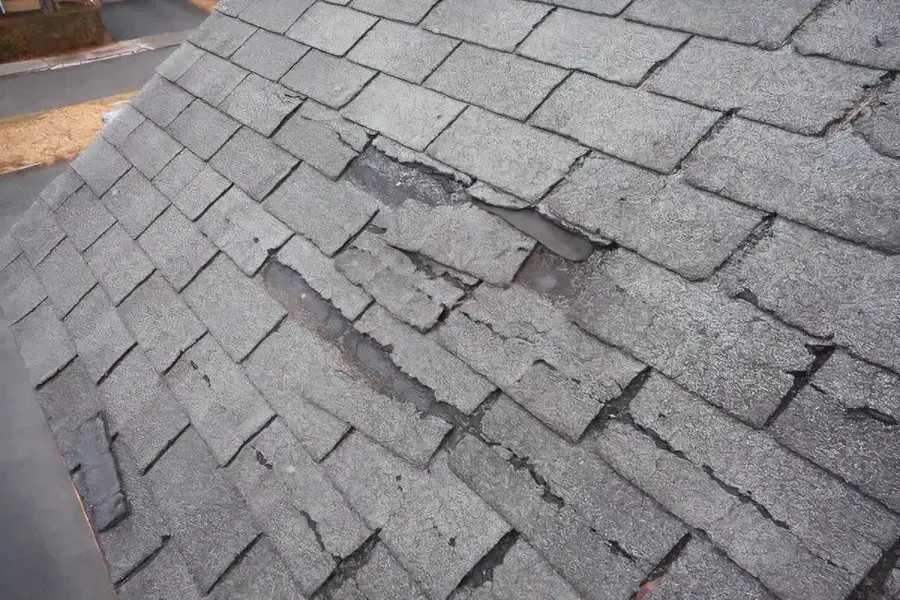 Hail Damage Roof Leak CleanupSpring hail breaks the roof, then storm rain soaks the attic and ceilings.Details
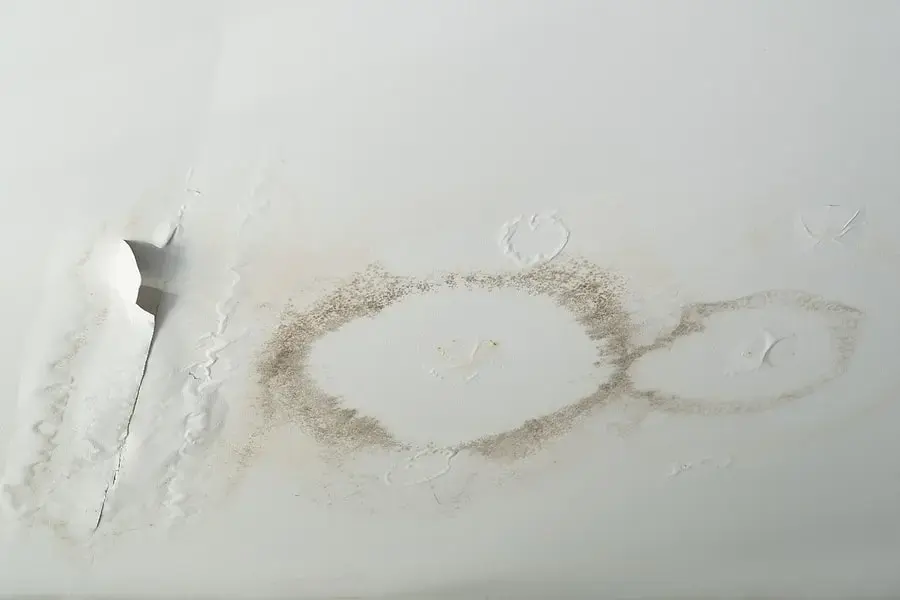 Ceiling Leak Water DamageUpstairs baths and hidden lines that stain, sag and drop drywall.Details
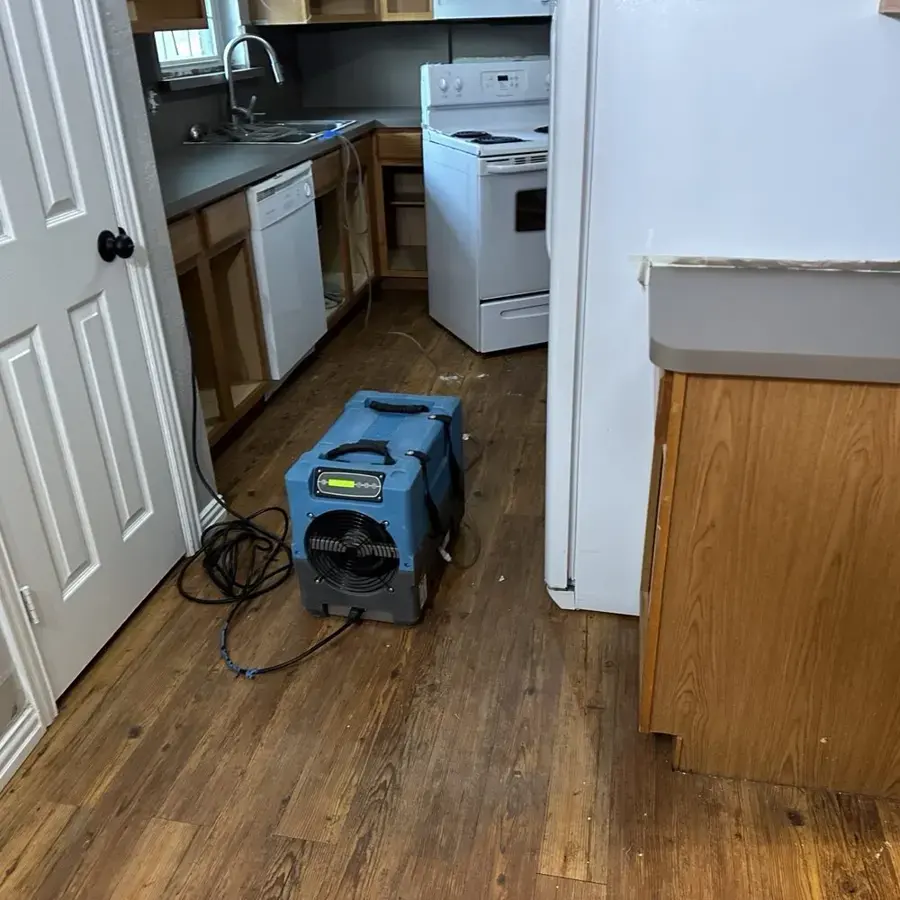 Appliance Leak CleanupWasher hoses, dishwasher lines and ice makers that flood the floor.Details
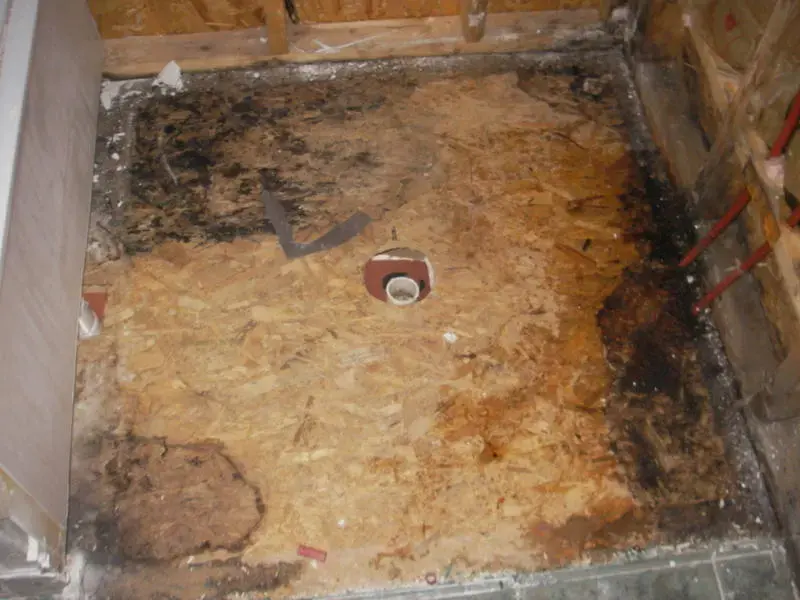 Shower Pan and Tub Leak Water DamageSlow shower pan and tub leaks that rot subfloor and baseboards unseen.Details
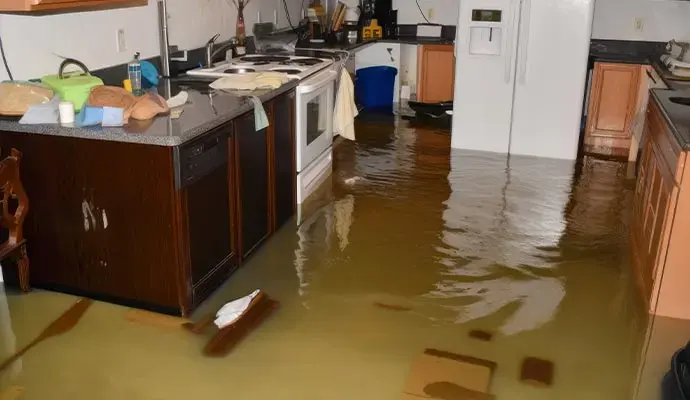 Storm Flooding CleanupFlash flooding and storm runoff along Big Bear Creek and low lots.Details
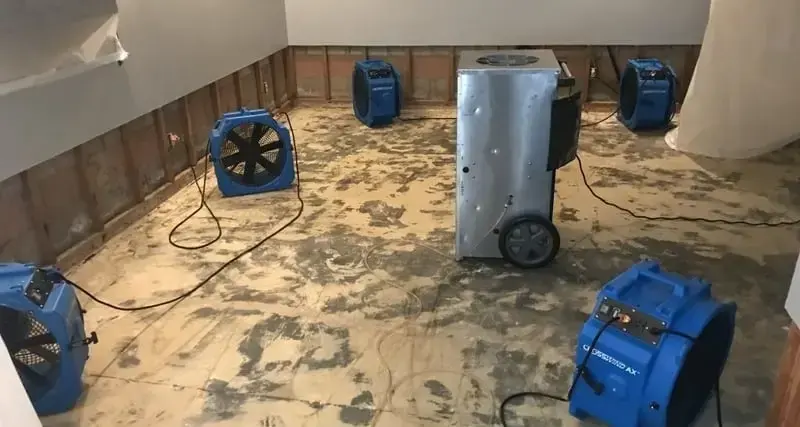 Structural Drying and DehumidificationFraming, slab edges and wall cavities dried to a measured goal.Details
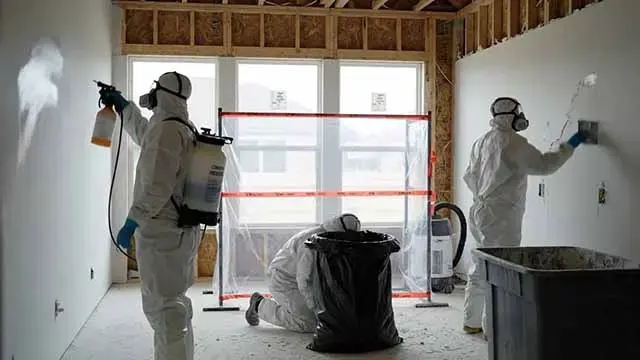 Sewage Backup CleanupCategory 3 backups contained, removed and treated with PPE and HEPA air.Details
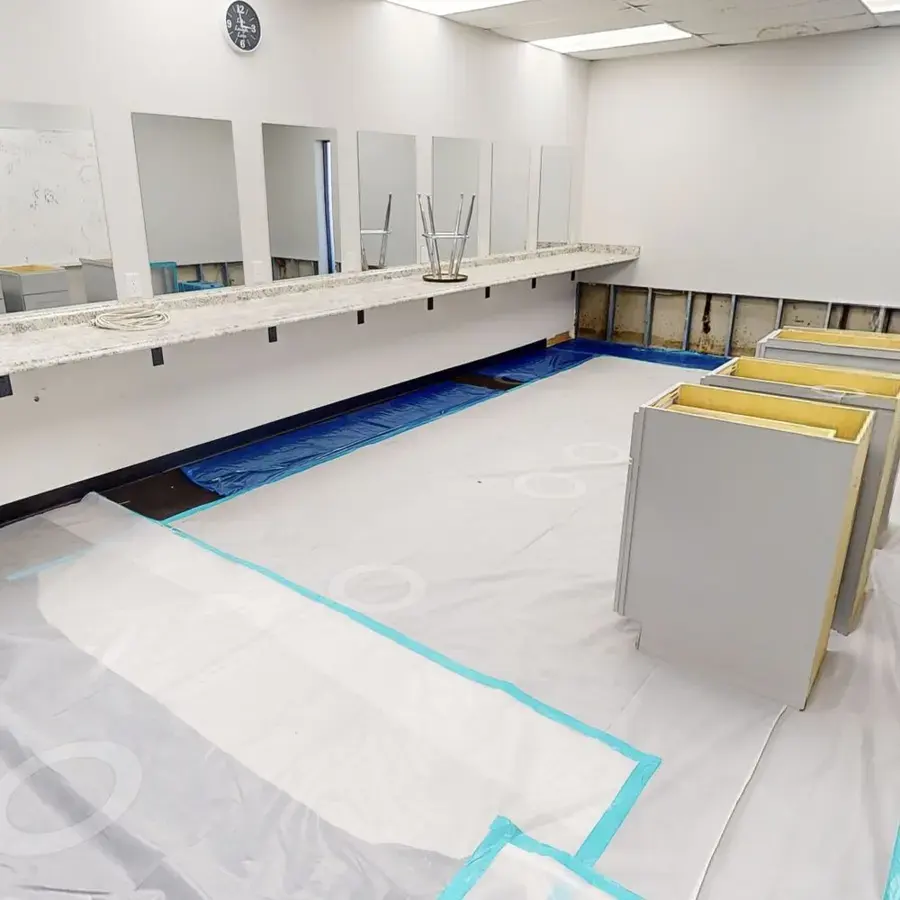 Commercial Water Damage RestorationKeller Town Center storefronts and offices dried with the doors open.Details
Keller water damage experts, ready day and night
Water behaves differently in a Keller house. Most homes here went up during the 1990s and 2000s on slab foundations over expansive clay, with the water heater and the air handler up in the attic. When something fails, the water either rises through the floor or comes down through the ceiling, and each needs its own drying plan.
The Keller restoration crew maps the moisture first, extracts with truck-mounted units and dries to the IICRC S500 standard, from Hidden Lakes to Heritage.
How the Keller restoration team works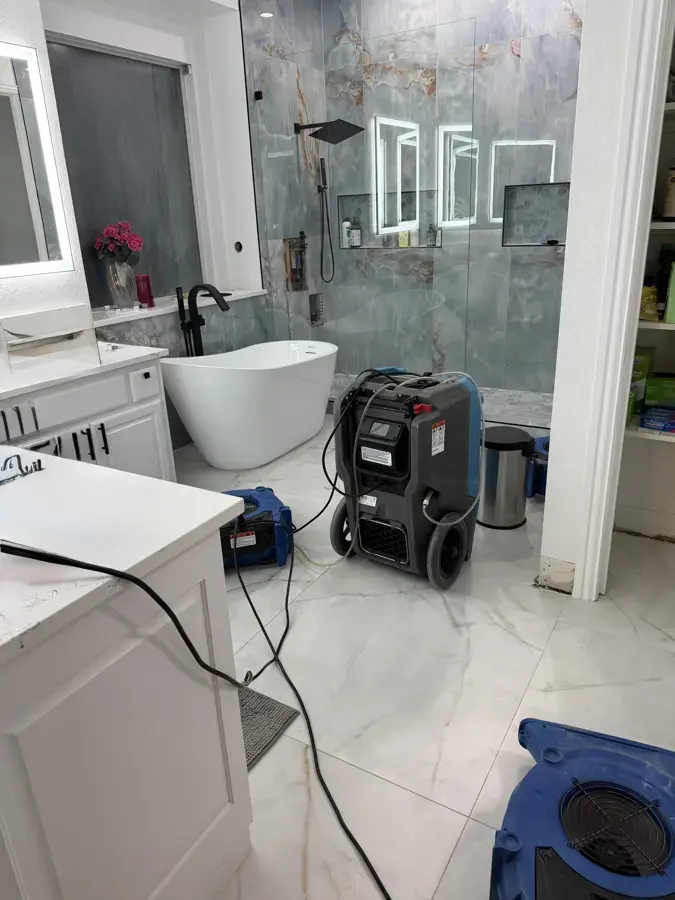
How a water loss is handled in Keller
What separates a finished dry-out from a cosmetic one is the order of the work.
Rapid local response
Keller water damage pros answer day or night and head out with pumps, air movers and meters loaded, because the first hours decide how much drywall and flooring has to come out.
IICRC S500 drying standard
The drying team works to IICRC S500, the industry drying standard: moisture mapping first, then drying until wet materials read within 2 to 4 points of a dry reference.
Claim-ready documentation
The mitigation team records the moisture map, daily readings and timestamped photos before any demolition, the file an adjuster actually reads.
North Tarrant water experts
Slab leaks on expansive clay, attic water heaters, condensate pans and spring hail are the losses local restoration pros see most, so the plan fits a Keller house.
Water damage dried to the IICRC S500 standard
- 1
Map the moisture
The tech who does the walkthrough maps moisture with thermal imaging and pinless meters before any equipment goes down.
- 2
Extract
The extraction crew pulls standing water with truck-mounted units, so the water leaves the house instead of moving to the next room.
- 3
Dry the structure
The drying team sets air movers to each room's evaporation load and runs LGR dehumidifiers, with desiccants for Class 4 materials.
- 4
Verify and document
The crew logs readings daily and pulls equipment only when the wet materials reach the drying goal, not when they look dry.
A contained Class 1 loss usually dries in three to five days. Hardwood, plaster and slab edges take longer, and the drying team pulls equipment on readings, not on a schedule.
What does water damage restoration cost in Keller, TX?
In Keller, TX, water damage restoration typically runs $750 to $9,000 or more. The biggest drivers are the water category, how many square feet got wet, the material class and how fast drying started, so a slab leak or a sewage backup sits at the high end.
Want a closer planning number? Try the water damage cost calculator for a Keller home.
Documentation for your insurance claim
A water claim is decided on the file. A complete file carries:
- The moisture map from day one
- Daily moisture and psychrometric readings
- Timestamped photos taken before any demolition
- The category and class of the loss
- A line-item scope in the format adjusters use
Sudden and accidental discharge, such as a burst supply line, is treated differently from rising surface water, which falls under flood coverage. Coverage depends on your policy, so it is worth checking with your own insurer.
The gear a real dry-out runs on
- Truck-mounted extraction units
- Air movers set to each room's evaporation load
- LGR dehumidifiers, desiccants for Class 4
- Thermal imaging and pinless meters
- HEPA air scrubbers and containment on Category 3
- EPA-registered antimicrobial after extraction
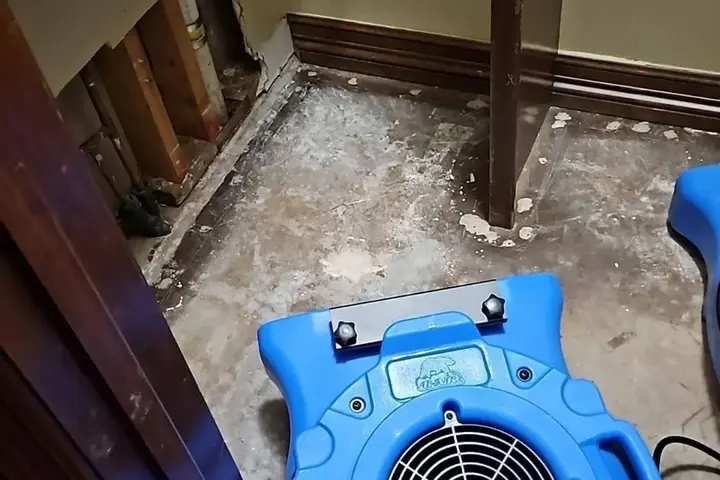
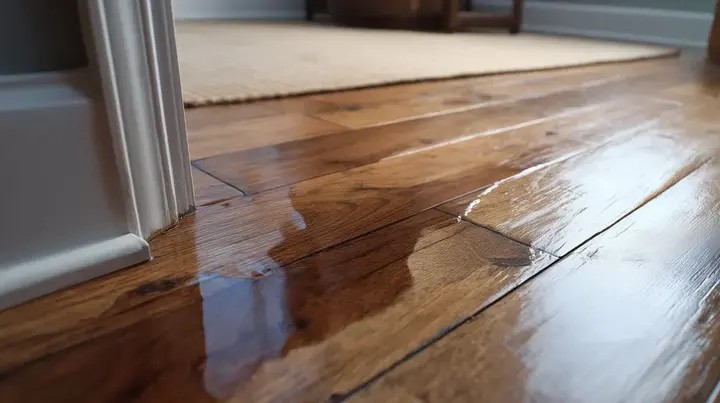
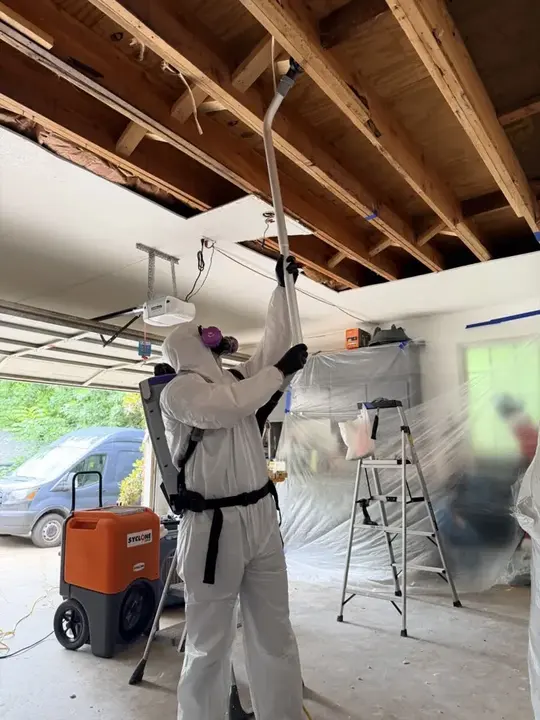
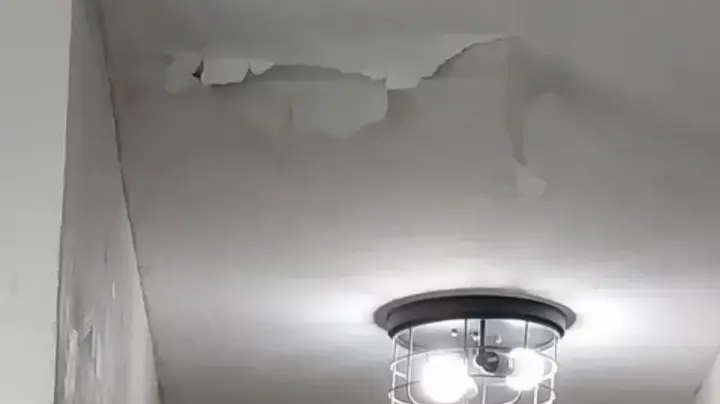
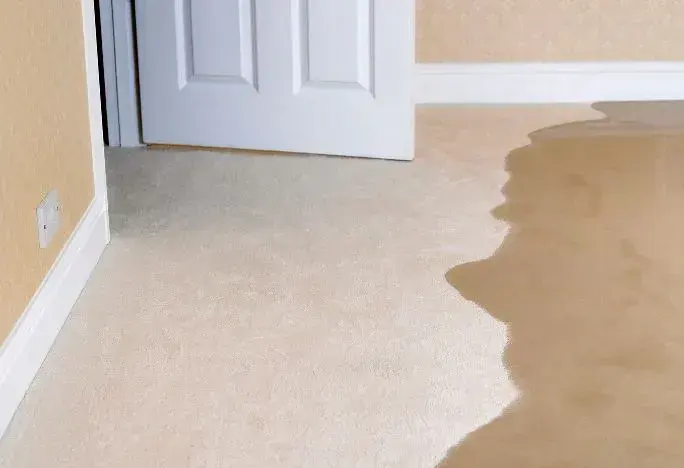
What a water damage dry-out looks like in Keller
All water damage categories covered in Keller, TX
Category 1, 2 and 3 water are handled differently, and the category decides what can be dried and what has to come out.
Category 1, clean water
Supply lines, burst pipes, water heater tanks and slab leaks. Dried in place when drying starts early.
Category 2, gray water
Washer and dishwasher discharge, or clean water that sat long enough to turn. Soaked pad and some porous materials come out.
Category 3, black water
Sewage backups and storm floodwater. Porous materials it touched get removed, not dried.
Sewage backup cleanupKeller water damage pros cover north Tarrant County
From Old Town Keller to Heritage, Southlake and Watauga, the restoration team runs extraction and drying across every nearby ZIP.
ZIP codes covered
One call reaches Keller water damage pros, 24/7
The response team asks which rooms are wet and whether the water is clean, gray or sewage, so the right pumps, air movers and dehumidifiers go on the truck.
(888) 527-9134 Describe the Keller damage and get a local pro on the phoneCentral Keller and Old Town
North and west Keller
North Fort Worth side
East toward Lake Grapevine
North Tarrant neighbors
Water damage in Keller, TX: the local risk profile
Most Keller homes sit slab-on-grade over expansive clay with the water heater and air handler in the attic. Four patterns drive most losses.
Spring hail
Hail from roughly March to June cracks shingles, skylights and roof vents, and the next storm soaks attic insulation and ceilings.
Slab on expansive clay
Clay swells when wet and shrinks in drought, stressing lines under the slab until one lets go beneath the floor.
Attic water heaters and AC pans
Tanks and condensate pans overflow down through the ceiling, often found only when drywall stains or sags.
Hard freezes and Big Bear Creek
Freezes like February 2021 split lines in attics and exterior walls, and stalled storms push creek runoff onto low lots.
Keller water damage questions, answered
How fast can a restoration crew respond in Keller?
Keller water damage pros answer 24/7, and emergency water calls get priority day or night across the 76248 and 76244 ZIP codes. The first hours matter most, because water keeps wicking into drywall, baseboards and slab edges until extraction starts.
Is water damage covered by insurance in Texas?
A sudden and accidental discharge, such as a burst supply line or a failed water heater, is usually covered after the deductible. Slow leaks and rising floodwater are treated differently. Coverage depends on your policy, so it is worth checking with your own insurer.
What causes most water damage in Keller homes?
Slab leaks under homes built on expansive clay, attic water heaters and AC condensate pans that overflow through the ceiling, spring hail that opens the roof to the next storm, and hard freezes like February 2021 that split lines in attics and exterior walls.
How long does drying a wet house take?
A contained Class 1 loss usually dries in three to five days. Hardwood, plaster and slab edges take longer, and the drying team pulls equipment only when readings reach the goal.
What is IICRC S500?
IICRC S500 is the industry standard for professional water damage restoration. It sets how water is categorized, how drying is planned and how the drying goal is verified.
What should I do first while the water is still spreading?
Shut the water off at the main, stay out of standing water near outlets and photograph everything before moving it. Then call, because early drying saves drywall, cabinets and flooring.
What is the difference between mitigation and repair?
Mitigation stops the damage: extraction, drying and removal of what cannot be saved. Repair, or reconstruction, replaces drywall, flooring and trim after the structure is dry. Adjusters treat them as separate phases of the claim.
When does drywall have to come out?
When Category 3 water touched it, when water wicked too high, or when the insulation behind it is saturated. Clean-water drywall caught early can often dry in place.
Why is a sewage backup handled differently?
Sewage is Category 3 water the moment it happens. The crew works in protective gear behind containment with HEPA air scrubbers, removes porous materials the water touched and treats surfaces with an EPA-registered antimicrobial.
Start the dry-out now.
Every hour water sits, it wicks further into drywall, baseboards and slab edges. The Keller restoration team extracts, dries and documents the loss.