AC Condensate Leak Water Damage in Keller, TX
A North Texas AC pulls gallons of water out of the air every summer day. When the drain line clogs, that water spills out of the pan and through the ceiling. The drying team dries the attic and the rooms below.
(888) 527-9134 Speak with 24/7 dispatch about the Keller AC leak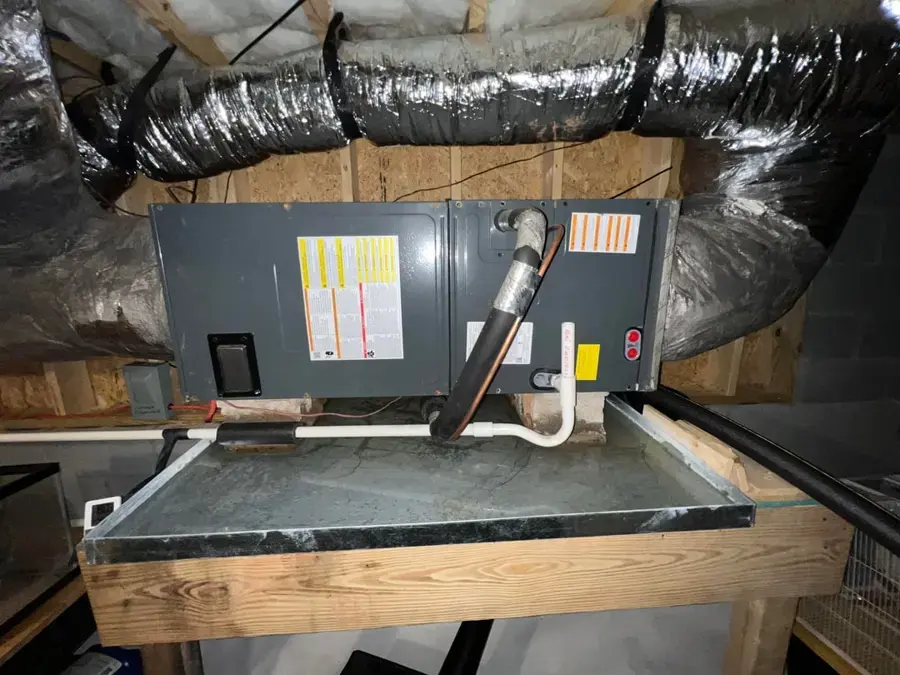
First steps for AC condensate leak damage in Keller
What to do when the AC is dripping through the ceiling.
- 1
Turn the AC off
Stop the system so no new condensate reaches the overflowing pan.
- 2
Catch the drips
Set buckets under drips and move items out from under the stain.
- 3
Look at the pan
If safe, check the attic pan for standing water and photograph it.
- 4
Keep lights off
Do not use a light fixture that is dripping water.
How AC condensate leak damage is handled in Keller
Map the attic, remove wet insulation, dry the ceiling to readings.
Rapid local response
Keller water damage pros answer day or night and head out with pumps, air movers and meters loaded, because the first hours decide how much drywall and flooring has to come out.
IICRC S500 drying standard
The drying team works to IICRC S500, the industry drying standard: moisture mapping first, then drying until wet materials read within 2 to 4 points of a dry reference.
Claim-ready documentation
The mitigation team records the moisture map, daily readings and timestamped photos before any demolition, the file an adjuster actually reads.
North Tarrant water experts
Slab leaks on expansive clay, attic water heaters, condensate pans and spring hail are the losses local restoration pros see most, so the plan fits a Keller house.
What does ac condensate leak water damage cost in Keller, TX?
In Keller, TX, AC condensate leak water damage typically runs $900 to $4,500, depending on how long the leak ran, how much insulation and ceiling got wet, the material class and how fast drying started.
Ranges depend on the water category, square footage, material class and how fast drying started. Run the numbers with the water damage cost calculator.
The AC condensate leak damage dry-out, stop by stop
- 1
Map the moisture
The tech who does the walkthrough maps moisture with thermal imaging and pinless meters before any equipment goes down.
- 2
Extract
The extraction crew pulls standing water with truck-mounted units, so the water leaves the house instead of moving to the next room.
- 3
Dry the structure
The drying team sets air movers to each room's evaporation load and runs LGR dehumidifiers, with desiccants for Class 4 materials.
- 4
Verify and document
The crew logs readings daily and pulls equipment only when the wet materials reach the drying goal, not when they look dry.
Most Keller homes have the air handler in the attic. As the AC cools the house, the coil condenses water out of the air, and on a humid North Texas day that can be several gallons. The water drains through a condensate line to the outside, with a secondary pan under the unit as a backup. When algae or sludge clogs the line and the float switch fails or is missing, the pan overflows onto the attic floor and into the ceiling.
Why condensate leaks go unnoticed
A condensate leak is slow at first. The water spreads into insulation and ceiling drywall for days before a brown stain or a drip shows up below. Because the water sits warm and dark in the attic, it can turn from clean to gray, and the EPA guide to mold, moisture and your home warns that damp materials left wet can grow mold.
- A water stain on a hallway or closet ceiling under the air handler
- Water dripping from a return grille or light fixture
- The AC shutting off on a float switch
- A musty smell when the system runs
How AC condensate water damage is handled
An HVAC technician clears the drain line and checks the pans and float switch. The restoration side starts with a moisture map: the tech who does the walkthrough checks the attic decking, insulation and ceiling drywall around the unit with meters and thermal imaging, then follows the water to the walls and floors below.
Wet insulation near the unit usually comes out. Ceiling drywall that is stained through or sagging is removed in sections; ceilings caught early can dry in place with air moving across both sides. The drying team runs LGR dehumidifiers and logs readings daily until the materials reach the drying goal. If the water sat long enough to degrade, the crew cleans affected surfaces with an EPA-registered antimicrobial.
Condensate water starts as Category 1 but can degrade in a warm attic. The longer it sits, the more material comes out rather than drying in place.
Keeping the next overflow out of the ceiling
A float switch on the primary or secondary pan, a clear drain line flushed each spring, and a look at the pan before cooling season cut the risk. The mitigation team documents the source, the moisture map and daily readings for the claim; slow leaks are sometimes treated differently from sudden ones, and coverage depends on your policy, so check with your own insurer. The related attic water heater page covers the other common attic source.
AC Condensate Leak Water Damage across Keller and north Tarrant County
From Old Town Keller to Heritage, Southlake and Watauga, the restoration team runs extraction and drying across every nearby ZIP.
The Keller restoration crew works the 76248 and 76244 ZIP codes and the neighboring towns of north Tarrant County, day or night.
Coverage runs across Keller, Heritage, Park Glen, Southlake, Colleyville, Westlake, Watauga, North Richland Hills, Roanoke and Trophy Club.
See every Keller area and ZIP coveredAC Condensate Leak Water Damage questions in Keller, TX
Why is my AC leaking water through the ceiling?
The condensate drain line is usually clogged, so water fills the pan under the air handler and spills into the attic and ceiling. A missing or failed float switch lets it keep running.
Should I turn the AC off?
Yes. Turning the system off stops new condensate while the drain is cleared and the ceiling is dried.
Is condensate water dangerous?
It starts as clean water but can pick up contamination in a warm attic pan. Long-standing condensate leaks are handled more like gray water.
Does the ceiling have to be replaced?
Not always. Ceilings caught early can dry in place. Stained-through or sagging drywall is removed.
How long does it take to dry?
Usually three to five days for a small attic and ceiling area, longer if insulation and walls below got wet.
Is AC leak damage covered by insurance?
Sudden overflow damage is often covered, while long-term slow leaks may not be. Coverage depends on your policy, so check with your own insurer.
AC dripping through the ceiling?
Condensate leaks spread in the attic long before they show. A moisture map shows how far.