Hail Damage Roof Leak Cleanup in Keller, TX
Spring hail cracks shingles, skylights and roof vents, and the next thunderstorm pours into the attic. The restoration team dries the attic, insulation and ceilings while the roof gets repaired.
(888) 527-9134 Get the Keller storm leak dried out now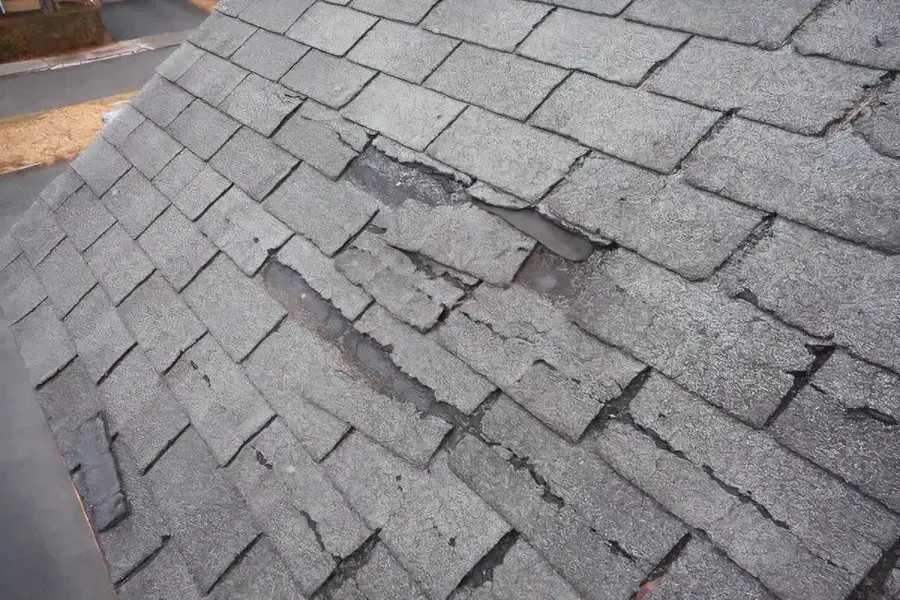
First steps for hail roof leak cleanup in Keller
What to do when hail opens the roof and rain gets in.
- 1
Move things from the drips
Get furniture, rugs and electronics away from wet ceilings and set buckets.
- 2
Get the roof covered
Have a roofer tarp the damaged area before the next storm.
- 3
Photograph everything
Capture hail on the ground, roof damage you can see safely and interior damage.
- 4
Stay out from under sagging drywall
A water-filled ceiling can drop without warning.
How hail roof leak cleanup is handled in Keller
Roof covered first, then attic, insulation and ceilings dried.
Rapid local response
Keller water damage pros answer day or night and head out with pumps, air movers and meters loaded, because the first hours decide how much drywall and flooring has to come out.
IICRC S500 drying standard
The drying team works to IICRC S500, the industry drying standard: moisture mapping first, then drying until wet materials read within 2 to 4 points of a dry reference.
Claim-ready documentation
The mitigation team records the moisture map, daily readings and timestamped photos before any demolition, the file an adjuster actually reads.
North Tarrant water experts
Slab leaks on expansive clay, attic water heaters, condensate pans and spring hail are the losses local restoration pros see most, so the plan fits a Keller house.
What does hail damage roof leak cleanup cost in Keller, TX?
In Keller, TX, hail damage roof leak cleanup typically runs $1,200 to $6,500 for the interior water damage, depending on how much attic insulation and ceiling got wet, the water category, the material class and how fast drying started.
Ranges depend on the water category, square footage, material class and how fast drying started. Run the numbers with the water damage cost calculator.
The hail roof leak cleanup dry-out, stop by stop
- 1
Map the moisture
The tech who does the walkthrough maps moisture with thermal imaging and pinless meters before any equipment goes down.
- 2
Extract
The extraction crew pulls standing water with truck-mounted units, so the water leaves the house instead of moving to the next room.
- 3
Dry the structure
The drying team sets air movers to each room's evaporation load and runs LGR dehumidifiers, with desiccants for Class 4 materials.
- 4
Verify and document
The crew logs readings daily and pulls equipment only when the wet materials reach the drying goal, not when they look dry.
North Texas sits in one of the most active hail regions in the country, and Keller sees its share of spring supercells. Hail cracks and bruises shingles, breaks skylights and turbine vents, and dents flashing. The roof may not leak that day, but the next heavy storm pushes rain through the damage into the attic.
How hail turns into water damage
Water that gets past the roof deck soaks the attic insulation first, then the ceiling drywall below. On two-story homes it can run down inside walls. The NOAA severe weather lab explainer on hail explains how large hail forms in spring storms, and the National Weather Service Fort Worth office posts the warnings for Tarrant County.
- Broken skylights and cracked skylight domes
- Damaged roof vents, turbines and pipe boots
- Bruised shingles that lose granules and let water through
- Dented or lifted flashing at walls and chimneys
How hail roof leak cleanup is handled
A roofer tarps or repairs the opening; drying inside a house with an open roof only invites the next storm in. The tech who does the walkthrough maps moisture in the attic, the ceilings and any wall the water ran down. Soaked insulation is removed, because wet blown-in insulation compacts and traps water against the drywall.
The extraction crew pulls standing water off floors, and the drying team sets air movers and LGR dehumidifiers for the attic side and the rooms below. Rain that ran across a dirty roof and attic is often treated as Category 2, so porous materials it soaked may come out rather than dry in place. Readings are logged daily until the structure reaches the drying goal.
Storm water can carry debris and dirt from the roof and attic. The category set at the walkthrough decides what can be dried and what has to be removed.
Hail claims and documentation
Hail damage often involves two parts of a claim: the roof and the interior water damage. The mitigation team documents the interior side with timestamped photos, the moisture map and daily readings. The Texas Department of Insurance storm and claim help has claim help after storms. Coverage depends on your policy, so it is worth checking with your own insurer. If the ceiling came down, see ceiling leak water damage.
Hail Damage Roof Leak Cleanup across Keller and north Tarrant County
From Old Town Keller to Heritage, Southlake and Watauga, the restoration team runs extraction and drying across every nearby ZIP.
The Keller restoration crew works the 76248 and 76244 ZIP codes and the neighboring towns of north Tarrant County, day or night.
Coverage runs across Keller, Heritage, Park Glen, Southlake, Colleyville, Westlake, Watauga, North Richland Hills, Roanoke and Trophy Club.
See every Keller area and ZIP coveredHail Damage Roof Leak Cleanup questions in Keller, TX
Can hail damage cause a roof leak weeks later?
Yes. Bruised shingles and cracked vents may hold through light rain and then leak in the next heavy storm.
What should I do first after hail when water comes in?
Move belongings away from drips, set buckets, photograph the damage, and get the roof tarped. Then get the attic and ceilings dried.
Does wet attic insulation need to be removed?
Usually. Soaked insulation compacts, holds water against the ceiling and dries very slowly.
Is storm water from a roof leak clean?
Often it is treated as Category 2 because it runs across the roof and through the attic, picking up dirt and debris.
How long does drying take after a hail leak?
Usually four to six days for the attic and ceilings, longer if walls or hardwood got wet.
Does homeowners insurance cover hail roof leaks?
Hail and the resulting interior water damage are commonly covered perils, with the deductible applying. Coverage depends on your policy, so check with your own insurer.
Hail opened the roof?
Storm water soaks insulation and ceilings fast. Get the attic dried while the roof gets fixed.