Ceiling Leak Water Damage in Keller, TX
A brown stain, a bulge or a drip from the light fixture means water is sitting above the ceiling. The drying team finds how far it spread and dries or removes the drywall before it drops.
(888) 527-9134 Call about the Keller ceiling leak before it drops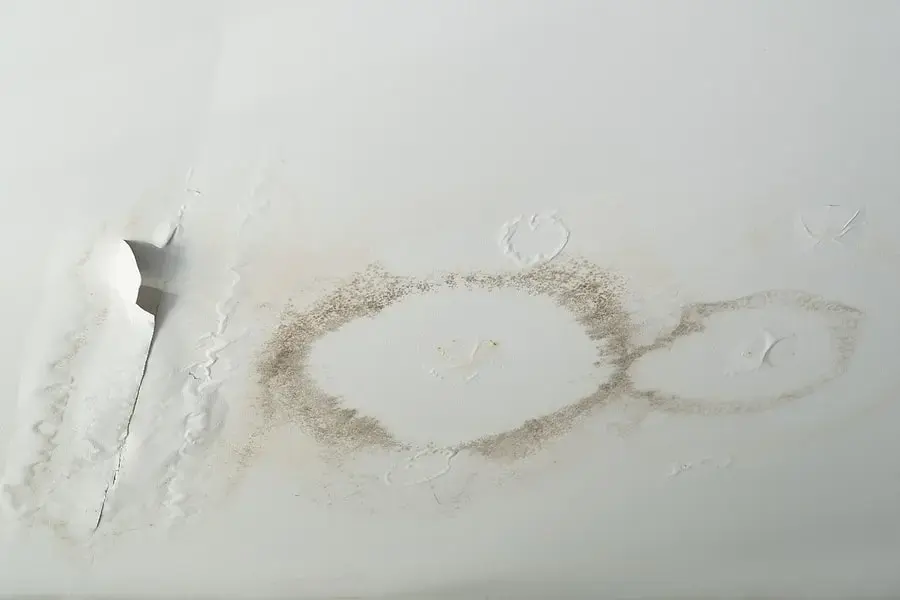
First steps for ceiling leak damage in Keller
What to do when water is showing through the ceiling.
- 1
Stop the source
Turn off the fixture or the main, and stop using the upstairs bath that sits above the stain.
- 2
Clear underneath
Move people, furniture and electronics out from under the wet area.
- 3
Relieve a bulge safely
A small hole into a bucket can drain a bulging ceiling before it drops.
- 4
Photograph the stain
Take dated photos of the stain and any drips for the claim.
How ceiling leak damage is handled in Keller
Find the edges of the wet area, then dry or remove to readings.
Rapid local response
Keller water damage pros answer day or night and head out with pumps, air movers and meters loaded, because the first hours decide how much drywall and flooring has to come out.
IICRC S500 drying standard
The drying team works to IICRC S500, the industry drying standard: moisture mapping first, then drying until wet materials read within 2 to 4 points of a dry reference.
Claim-ready documentation
The mitigation team records the moisture map, daily readings and timestamped photos before any demolition, the file an adjuster actually reads.
North Tarrant water experts
Slab leaks on expansive clay, attic water heaters, condensate pans and spring hail are the losses local restoration pros see most, so the plan fits a Keller house.
What does ceiling leak water damage cost in Keller, TX?
In Keller, TX, ceiling leak water damage restoration typically runs $900 to $5,000, depending on the source and water category, how far the water spread above the drywall, the material class and how fast drying started.
Ranges depend on the water category, square footage, material class and how fast drying started. Run the numbers with the water damage cost calculator.
The ceiling leak damage dry-out, stop by stop
- 1
Map the moisture
The tech who does the walkthrough maps moisture with thermal imaging and pinless meters before any equipment goes down.
- 2
Extract
The extraction crew pulls standing water with truck-mounted units, so the water leaves the house instead of moving to the next room.
- 3
Dry the structure
The drying team sets air movers to each room's evaporation load and runs LGR dehumidifiers, with desiccants for Class 4 materials.
- 4
Verify and document
The crew logs readings daily and pulls equipment only when the wet materials reach the drying goal, not when they look dry.
Ceiling leaks in Keller come from inside the house as often as from the roof. On two-story homes the usual sources are an upstairs tub or shower drain, a toilet seal, a supply line in the floor system or a washing machine on the second floor. On single-story homes, attic sources dominate: the water heater, the AC condensate pan or a supply line to an upstairs bath.
Signs the water above the ceiling is spreading
Drywall absorbs water and spreads it outward, so a small stain can sit over a much larger wet area. Paint bubbles, a sagging bulge or water coming through a light fixture all mean water is standing above the drywall. Wet drywall that stays wet loses strength and can drop without warning.
- Brown or yellow stains that keep growing
- Bubbling or peeling paint and tape seams
- A soft or sagging section of ceiling
- Drips from fixtures, vents or crown molding
How ceiling leak water damage is handled
The source gets stopped first, by a plumber for a drain or a line, or by a roofer for the roof. The tech who does the walkthrough then maps the ceiling with thermal imaging and a pinless meter to find the edges of the wet area, including water that ran along joists into the next room.
Ceilings caught early, with no sag and clean water, can often be dried in place with air movers and dehumidifiers, sometimes with small holes to vent the cavity. Sagging, stained-through or contaminated drywall comes down in clean sections, along with wet insulation above it. The drying team logs readings on the framing and subfloor daily until they reach the drying goal. The EPA advice on cleanup after water damage covers why wet ceiling materials should not stay wet.
If a ceiling is bulging with water, keep people out from under it. A small controlled hole into a bucket is safer than a sudden collapse.
Ceiling leaks and the insurance file
A sudden leak from a failed supply line is handled differently from a slow drain leak that ran for months. The mitigation team documents the source, the moisture map and daily readings with timestamped photos. Coverage depends on your policy, so it is worth checking with your own insurer; the Texas Department of Insurance has consumer claim help. Related causes are covered on the attic water heater and hail roof leak pages.
Ceiling Leak Water Damage across Keller and north Tarrant County
From Old Town Keller to Heritage, Southlake and Watauga, the restoration team runs extraction and drying across every nearby ZIP.
The Keller restoration crew works the 76248 and 76244 ZIP codes and the neighboring towns of north Tarrant County, day or night.
Coverage runs across Keller, Heritage, Park Glen, Southlake, Colleyville, Westlake, Watauga, North Richland Hills, Roanoke and Trophy Club.
See every Keller area and ZIP coveredCeiling Leak Water Damage questions in Keller, TX
Can a wet ceiling be dried without replacing it?
Often, if it is not sagging and the water was clean. Air movers, dehumidifiers and sometimes small vent holes dry the drywall and framing in place.
When does ceiling drywall have to come down?
When it sags, is stained through or soft, or was soaked by gray or black water. Wet insulation above it usually comes out too.
What causes ceiling leaks in two-story Keller homes?
Upstairs shower and tub drains, toilet seals, supply lines in the floor system and second-floor laundry are the usual sources.
Is it safe to stay under a leaking ceiling?
Not if it sags. Water-filled drywall can drop. Clear the area and drain it into a bucket through a small hole if needed.
How long does ceiling drying take?
Usually three to five days for a ceiling caught early, longer when insulation and framing are soaked.
Will insurance pay for ceiling water damage?
Sudden leaks are often covered; long slow leaks may not be. Coverage depends on your policy, so check with your own insurer.
Stain growing on the ceiling?
Water above drywall spreads before it shows. A moisture map finds the real edges.