Sewage Backup Cleanup in Keller, TX
Sewage is Category 3 water the moment it backs up. The mitigation team works in protective gear behind containment, removes what the water touched and treats the area before drying.
(888) 527-9134 Call for Keller sewage backup cleanup now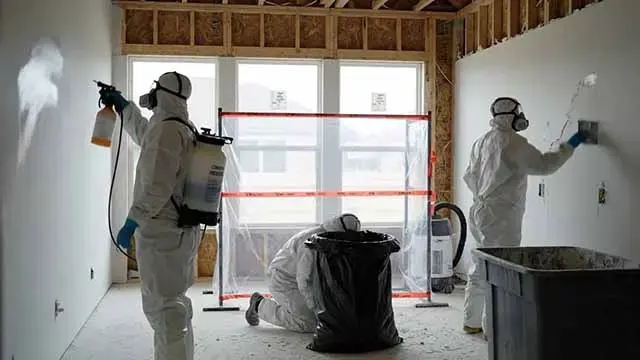
First steps for sewage backup cleanup in Keller
What to do when sewage is coming up through a drain.
- 1
Stop using water
Do not flush, shower or run appliances until the line is cleared.
- 2
Keep everyone away
Close off the area from children and pets.
- 3
Turn off HVAC if needed
Stop the system if it pulls air from the affected rooms.
- 4
Photograph from a distance
Record the damage without walking through the sewage.
How sewage backup cleanup is handled in Keller
Category 3 protocol: contain, remove, treat, then dry.
Rapid local response
Keller water damage pros answer day or night and head out with pumps, air movers and meters loaded, because the first hours decide how much drywall and flooring has to come out.
IICRC S500 drying standard
The drying team works to IICRC S500, the industry drying standard: moisture mapping first, then drying until wet materials read within 2 to 4 points of a dry reference.
Claim-ready documentation
The mitigation team records the moisture map, daily readings and timestamped photos before any demolition, the file an adjuster actually reads.
North Tarrant water experts
Slab leaks on expansive clay, attic water heaters, condensate pans and spring hail are the losses local restoration pros see most, so the plan fits a Keller house.
What does sewage backup cleanup cost in Keller, TX?
In Keller, TX, sewage backup cleanup typically runs $2,500 to $10,000, depending on how many square feet the sewage covered, how much porous material has to be removed, the material class and how fast cleanup started.
Ranges depend on the water category, square footage, material class and how fast drying started. Run the numbers with the water damage cost calculator.
The sewage backup cleanup dry-out, stop by stop
- 1
Map the moisture
The tech who does the walkthrough maps moisture with thermal imaging and pinless meters before any equipment goes down.
- 2
Extract
The extraction crew pulls standing water with truck-mounted units, so the water leaves the house instead of moving to the next room.
- 3
Dry the structure
The drying team sets air movers to each room's evaporation load and runs LGR dehumidifiers, with desiccants for Class 4 materials.
- 4
Verify and document
The crew logs readings daily and pulls equipment only when the wet materials reach the drying goal, not when they look dry.
A sewage backup pushes wastewater out of the lowest drains in the house: a shower, a tub or a toilet on the ground floor of a slab home. It usually comes from a clog or root intrusion in the sewer lateral between the house and the city main, or from a heavy storm that overloads the system. The EPA overview of sanitary sewer overflows explains how sewer systems overflow in heavy rain.
Why sewage is handled differently
Sewage is Category 3 water the moment it happens. It carries bacteria and viruses, so the rules change: porous materials it touched, such as carpet, pad, drywall, insulation and particleboard, are removed rather than dried. Older homes near Old Town Keller can have older clay or cast iron laterals that tree roots reach, while newer homes more often back up from grease and wipes.
- Water coming up from the lowest shower or tub drain
- A toilet that gurgles or overflows when another fixture drains
- A sewage smell near floor drains or the cleanout
- Slow drains throughout the house at once
How sewage backup cleanup is handled
A plumber clears the line. The mitigation team sets containment to keep the affected area separate from the rest of the house and runs HEPA air scrubbers. Crews wear protective gear, at minimum gloves, eye protection, respirators and disposable suits. The extraction crew removes the sewage and solids, then porous materials the water touched come out, with drywall cut above the wicking line.
Hard surfaces and framing are cleaned and treated with an EPA-registered antimicrobial applied at its label dwell time. Only then does the drying team set air movers and dehumidifiers and start readings. The EPA flood cleanup and indoor air guidance describes why cleanup of contaminated water needs protection and ventilation.
Do not run fans or the HVAC system across a sewage spill before containment is set. Moving air spreads contaminated droplets through the house.
Sewage backups and insurance
Many standard Texas homeowners policies limit or exclude sewer backup unless an endorsement was added, so the file matters. The mitigation team documents the source, the category, removed materials and daily readings with timestamped photos. Coverage depends on your policy, so check with your own insurer. If the water came in from a storm instead, see storm flooding cleanup.
Sewage Backup Cleanup across Keller and north Tarrant County
From Old Town Keller to Heritage, Southlake and Watauga, the restoration team runs extraction and drying across every nearby ZIP.
The Keller restoration crew works the 76248 and 76244 ZIP codes and the neighboring towns of north Tarrant County, day or night.
Coverage runs across Keller, Heritage, Park Glen, Southlake, Colleyville, Westlake, Watauga, North Richland Hills, Roanoke and Trophy Club.
See every Keller area and ZIP coveredSewage Backup Cleanup questions in Keller, TX
Is it safe to clean up a sewage backup myself?
It is not recommended. Sewage is Category 3 water with bacteria and viruses, and cleanup needs protective gear, containment and removal of porous materials.
What should I do first after a sewage backup?
Stop using water in the house, keep people and pets away, turn off the HVAC if it pulls air from the area, and photograph the damage.
Can carpet be cleaned after sewage?
No. Carpet and pad touched by sewage are removed and disposed of. Porous materials that Category 3 water touched are removed, not dried.
What causes sewage backups in Keller?
Tree roots in older laterals, grease and wipes clogging the line, and heavy storms overloading the system are the usual causes.
How long does sewage cleanup take?
Removal and treatment often take one to two days, then drying takes three to five more depending on the materials.
Does homeowners insurance cover sewage backup?
Many policies limit or exclude it unless a sewer backup endorsement was added. Coverage depends on your policy, so check with your own insurer.
What is an EPA-registered antimicrobial?
A cleaning product registered with the EPA for its label use, applied to affected surfaces at the dwell time on the label.
Sewage in the house?
Sewage is Category 3 from the start. Containment, removal and treatment come before any drying.